Green Energy Debate Heats Up: May Elections and the Future of UK Bills and Nature
Explore how May elections impact UK energy policy, linking climate solutions, renewable energy, and fossil fuels to the cost of living and nature restoration.
The upcoming May elections are spotlighting a critical debate: the intricate relationship between climate solutions, energy costs, and the UK's environmental future. While the soaring cost of living is undoubtedly a primary concern for voters, experts are urging a closer look at how fossil fuel reliance and the ongoing climate crisis exacerbate economic pressures, potentially making current remedies counterproductive.
Energy sector leaders are increasingly vocal about the strategic imperative of renewable energy sources. They assert that embracing solar and wind power isn't just an environmental choice but a crucial step towards national energy security. This shift, they argue, would insulate the UK from volatile global energy markets and geopolitical instabilities, which frequently drive up household bills. In stark contrast, the Reform party has publicly stated its intention to obstruct the development of new solar and wind farms, a stance that has drawn significant criticism from proponents of sustainable energy.
Green campaigners, including prominent figures like Ami McCarthy, Head of Politics at Greenpeace UK, are highlighting the global context of the current economic challenges. McCarthy points to the recent fossil fuel crisis, intensified by international conflicts such as the Iran war, as a direct driver of escalating bills and prices. This perspective underscores the argument that continued dependence on fossil fuels leaves the UK vulnerable to external shocks, directly impacting the financial well-being of its citizens.
Beyond economic stability, the discussion extends to the broader benefits of a green transition. Advocates emphasize that investments in renewable energy and nature restoration initiatives are not merely expenses but long-term investments that promise to reduce energy bills, create sustainable jobs, and enhance the UK's natural capital. They contend that robust climate action can simultaneously address economic hardship and ecological degradation, offering a dual solution for a more resilient and prosperous future. As voters head to the polls, the choices made regarding energy policy and environmental stewardship will have profound implications for both their wallets and the planet.
Source Information
‘Climate solutions will bring down bills and restore nature’: green issues and May elections
87.90%
You Might Also Like

Keir Starmer's Urgent Appeal: Labour's Final Push Amidst Local Election Challenges
Labour leader Keir Starmer has made a critical, last-minute appeal to English voters ahead of Thursday's local elections. Facing projections of potential record losses, Starmer directly challenged the fitness of Reform UK's Nigel Farage and the Green Party's Zack Polanski to lead during times of global instability. He argued that only Labour is genuinely committed to the national interest, urging voters to consolidate support behind his party. This urgent message aims to prevent voter defection and maintain Labour's political momentum amidst intense scrutiny of his leadership, as local election outcomes are seen as a key indicator for future national elections.

Lancashire County Council's Bold Move: Exiting UK Refugee Resettlement Programs
Lancashire County Council, led by the Reform Party, has declared its intention to withdraw from the UK's government-funded refugee resettlement schemes. This groundbreaking decision, announced by Councillor Joshua Roberts, would make Lancashire the first local authority to cease participation in the UK Resettlement Scheme (UKRS) and the Afghan Resettlement Programme (ARP). The move, revealed just before local elections, signals a significant shift in local governance regarding immigration and resource allocation. This withdrawal is expected to ignite considerable debate among humanitarian groups, national government, and local residents, raising questions about refugee welfare and setting a potential precedent for other councils. The council's decision underscores the ongoing tension between national immigration policies and local authority roles in supporting displaced populations.
Welsh Political Landscape Shifts: Reform UK's Rise and Senedd Election Implications
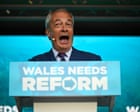
Welsh politics is experiencing a significant shift, with Reform UK poised to make substantial gains in the upcoming Senedd election. Polls suggest the party could win the most seats under the new proportional voting system, marking a historic rise from its previous 1% support. Despite this potential electoral success, forming a government appears unlikely as other parties have rejected coalition prospects. Reform UK leader Nigel Farage recently held a key rally in Merthyr Tydfil, emphasizing the party's momentum. This surge, alongside Plaid Cymru's strengthening position, indicates a growing polarization within the Welsh political landscape, challenging traditional party structures and setting the stage for a transformative election.