Lancashire County Council's Bold Move: Exiting UK Refugee Resettlement Programs
Lancashire County Council, led by Reform, plans to exit UK refugee resettlement schemes (UKRS, ARP), a first for a local authority. Learn about this pivotal decision.
In a significant development poised to reshape local governance and national policy, Lancashire County Council, under its Reform Party leadership, has announced its intention to withdraw from the government's comprehensive refugee resettlement initiatives. This pivotal decision, revealed by a cabinet member, positions Lancashire as the first local authority in the UK to opt out of these crucial programs. The announcement comes strategically on the eve of local elections, likely intended to resonate with a specific segment of the electorate.
The proposed withdrawal specifically targets the UK Resettlement Scheme (UKRS) and the Afghan Resettlement Programme (ARP). These schemes are government-funded initiatives designed to provide safe haven and support for vulnerable individuals fleeing conflict and persecution, including those who assisted British forces in Afghanistan.
Councillor Joshua Roberts, a key figure within the Reform-led council, confirmed the plans, stating that the move reflects a re-evaluation of local priorities and resource allocation. While the full implications of this decision are yet to unfold, it is anticipated to spark considerable debate among humanitarian organizations, national government bodies, and local communities. Critics are likely to raise concerns about the welfare of refugees and asylum seekers, as well as the potential precedent this sets for other councils.
Conversely, proponents of the withdrawal may argue for increased autonomy in local decision-making regarding immigration matters and a focus on domestic issues. This bold step by Lancashire County Council highlights the growing tension between national immigration policies and local government responsibilities, particularly concerning the integration and support of displaced populations. The timing of this announcement ensures it will be a central talking point as voters head to the polls, influencing public discourse on migration, local governance, and the future of resettlement efforts across the United Kingdom.
Source Information
Reform-led Lancashire county council could quit refugee resettlement scheme
90.00%
You Might Also Like

Welsh Political Landscape Shifts: Reform UK's Rise and Senedd Election Implications
Welsh politics is experiencing a significant shift, with Reform UK poised to make substantial gains in the upcoming Senedd election. Polls suggest the party could win the most seats under the new proportional voting system, marking a historic rise from its previous 1% support. Despite this potential electoral success, forming a government appears unlikely as other parties have rejected coalition prospects. Reform UK leader Nigel Farage recently held a key rally in Merthyr Tydfil, emphasizing the party's momentum. This surge, alongside Plaid Cymru's strengthening position, indicates a growing polarization within the Welsh political landscape, challenging traditional party structures and setting the stage for a transformative election.

Lancashire County Council Exits National Refugee Resettlement Program Amidst Political Shift
Lancashire County Council, led by the Reform party, has declared its intention to withdraw from the UK government's national refugee resettlement scheme. Councillor Joshua Roberts confirmed the decision, making Lancashire the first local authority to exit the program. This move, announced ahead of the May elections, signals a potential shift in local governance regarding refugee support and integration. The government-funded scheme is vital for settling refugees, providing housing and services. Lancashire's departure raises concerns about future support for vulnerable individuals in the region and could influence other councils. The decision likely reflects financial considerations, resource allocation, and differing political views on immigration.
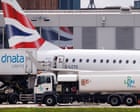
UK Businesses Implement Fuel Surcharges Amidst Surging Operational Costs and Inflationary Pressures
UK businesses, especially airlines, are increasingly applying fuel surcharges to offset rapidly rising operational costs, according to a new survey. This marks the fastest rate of price increases in over three years, driven by soaring energy, wage, and material expenses, compounded by inflation linked to global events. The trend reflects ongoing economic pressures, with companies passing increased costs onto consumers to maintain profitability amidst a challenging market.