Welsh Political Landscape Shifts: Reform UK's Rise and Senedd Election Implications
Explore the shifting Welsh political landscape as Reform UK gains significant ground in Senedd election polls, signaling a new era of polarization and challenges for government formation.
The political landscape in Wales is undergoing a significant transformation, with recent polls indicating a potential seismic shift in the upcoming Senedd election. Reform UK, a party that previously held a marginal presence, is now poised to become a dominant force, challenging traditional political alignments and sparking intense debate across the nation. This surge in support suggests a growing polarization within Welsh politics, with both Reform UK and Plaid Cymru benefiting from this evolving dynamic.
Despite the prospect of Reform UK securing the most seats under Wales's newly adopted, more proportional voting system, the path to forming a government remains highly improbable. Other established parties have unequivocally ruled out any coalition with Reform UK, creating a unique scenario where electoral success may not translate into governing power. This unprecedented situation highlights the complexities of modern coalition politics and the enduring ideological divides within the Welsh political spectrum.
Nigel Farage, leader of Reform UK, recently underscored the party's momentum during a significant rally in Merthyr Tydfil. Addressing supporters amidst a vibrant atmosphere, Farage delivered what he described as his final major address before the crucial Senedd, Scottish Parliament, and English local elections. The event, held in a bustling shopping centre car park, symbolized the grassroots energy driving Reform UK's campaign, attracting a diverse crowd eager to hear the party's vision for Wales.
Reform UK's ascent marks a historic moment, as it represents the first right-wing party with a genuine chance of electoral victory in Wales since the mid-19th century. This dramatic shift from securing just 1% of the vote in the last Senedd election to potentially leading the seat count is a clear indicator of profound voter dissatisfaction and a desire for change among a significant portion of the Welsh electorate. The implications of this political realignment for future Welsh governance and policy direction are profound, signaling a new era in the nation's political narrative.
Source Information
Reform and Plaid Cymru likely to benefit from polarisation of Welsh politics
83.19%
You Might Also Like

Lancashire County Council's Bold Move: Exiting UK Refugee Resettlement Programs
Lancashire County Council, led by the Reform Party, has declared its intention to withdraw from the UK's government-funded refugee resettlement schemes. This groundbreaking decision, announced by Councillor Joshua Roberts, would make Lancashire the first local authority to cease participation in the UK Resettlement Scheme (UKRS) and the Afghan Resettlement Programme (ARP). The move, revealed just before local elections, signals a significant shift in local governance regarding immigration and resource allocation. This withdrawal is expected to ignite considerable debate among humanitarian groups, national government, and local residents, raising questions about refugee welfare and setting a potential precedent for other councils. The council's decision underscores the ongoing tension between national immigration policies and local authority roles in supporting displaced populations.

Lancashire County Council Exits National Refugee Resettlement Program Amidst Political Shift
Lancashire County Council, led by the Reform party, has declared its intention to withdraw from the UK government's national refugee resettlement scheme. Councillor Joshua Roberts confirmed the decision, making Lancashire the first local authority to exit the program. This move, announced ahead of the May elections, signals a potential shift in local governance regarding refugee support and integration. The government-funded scheme is vital for settling refugees, providing housing and services. Lancashire's departure raises concerns about future support for vulnerable individuals in the region and could influence other councils. The decision likely reflects financial considerations, resource allocation, and differing political views on immigration.
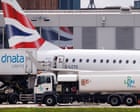
UK Businesses Implement Fuel Surcharges Amidst Surging Operational Costs and Inflationary Pressures
UK businesses, especially airlines, are increasingly applying fuel surcharges to offset rapidly rising operational costs, according to a new survey. This marks the fastest rate of price increases in over three years, driven by soaring energy, wage, and material expenses, compounded by inflation linked to global events. The trend reflects ongoing economic pressures, with companies passing increased costs onto consumers to maintain profitability amidst a challenging market.