Global Markets React: Oil Prices Dip as Hormuz Tensions Ease, UK Job Market Shows Mixed Signals
Oil prices dip as Strait of Hormuz tensions ease. UK job market sees mixed recovery, with graduate roles down. Explore global market shifts and energy policy debates.
Global financial markets are experiencing significant shifts, with crude oil and natural gas prices witnessing a notable decline. This downturn is largely attributed to renewed optimism surrounding the potential reopening of the Strait of Hormuz, a critical maritime chokepoint for global energy supplies. The Islamic Revolutionary Guard Corps navy of Iran recently indicated that the strait could resume normal operations once perceived 'threats from aggressors' subside, signaling a potential de-escalation of geopolitical tensions that have previously impacted energy commodity prices.
Simultaneously, the United Kingdom's employment landscape is presenting a complex picture. While March saw a modest uptick in job vacancies, marking a second consecutive monthly increase, the overall market remains subdued. According to data from the job matching platform Adzuna, vacancies climbed by 3.74% month-on-month, reaching 752,711. Despite this positive movement, the number of available positions is still considerably lower than previous years, hovering near a five-year low. Specifically, graduate job opportunities have seen a substantial slump, declining by over a third, underscoring persistent challenges for new entrants to the workforce.
This fluctuating economic environment also brings into focus the debate around energy policy and corporate profits. The recent dip in oil prices highlights the volatility inherent in the global energy sector, often influenced by geopolitical events. Critics argue that certain energy giants, such as Equinor, are pushing for projects like the Rosebank oil field development to capitalize on these market fluctuations. Concerns are being raised about the long-term implications of such ventures for the UK's energy affordability and climate commitments, particularly when juxtaposed against the backdrop of significant profits reported by companies like BP. The ongoing discussion emphasizes the need for a balanced approach that prioritizes public welfare and environmental sustainability alongside economic growth.
Source Information
Oil and gas prices fall sharply, driven by hopes of strait of Hormuz reopening – as it happened
87.21%
You Might Also Like
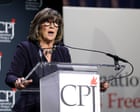
Christiane Amanpour Voices Concerns Over Potential Ellison-Led Media Merger Impact on CNN
CNN's chief international anchor, Christiane Amanpour, has voiced significant concerns regarding the potential merger of Warner Bros. Discovery (CNN's parent company) with Paramount Skydance, led by David Ellison. Speaking at the "Truth Tellers" summit, Amanpour highlighted her apprehension as a journalist, drawing parallels to the changes she's observed at CBS News since its acquisition by Skydance. She specifically noted reports of shifts within CBS, including its flagship program "60 Minutes." Amanpour's comments underscore a broader anxiety within the media industry about maintaining editorial independence and journalistic integrity amidst major corporate consolidations and potential "ideological realignments" under new ownership.

Global Shipping Navigates Geopolitical Storms: Maersk Maintains Outlook Amidst Rising Costs and Supply Chain Challenges
Maersk, the global shipping giant, has upheld its profit forecast for the year despite significant challenges, including soaring fuel costs and the near-total standstill of traffic through the Strait of Hormuz due to Middle East conflicts. The company credits its proactive cost mitigation and commercial strategies for navigating these disruptions. However, Maersk warns that these increased operational expenses could trigger broader inflation and subsequent demand destruction in the latter half of the year, potentially softening the market. While container demand remains strong, the situation underscores the fragility of global supply chains. The broader economic context also includes IMF warnings about AI-driven cyber threats to financial stability and fluctuating oil prices influenced by geopolitical developments, creating a complex landscape for international trade and logistics.
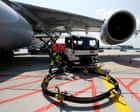
EU Mandates Passenger Compensation for Fuel-Related Flight Cancellations
The European Union has confirmed that airlines must compensate passengers for flight cancellations caused by fuel shortages or high prices. EU Transport Commissioner Apostolos Tzitzikostas stated that these conditions do not meet the 'extraordinary circumstances' criteria that would exempt airlines from their compensation obligations. This ruling provides crucial protection for travelers ahead of the busy summer season, reinforcing passenger rights and holding air carriers accountable for operational challenges related to fuel. Airlines are now expected to manage fuel procurement diligently to avoid cancellations and subsequent compensation payouts.