Global Shipping Navigates Geopolitical Storms: Maersk Maintains Outlook Amidst Rising Costs and Supply Chain Challenges
Maersk maintains profit outlook despite rising fuel costs and Strait of Hormuz disruptions. Learn how global shipping navigates geopolitical risks, inflation, and AI threats.
The intricate web of global commerce continues to face significant headwinds, with major players like shipping giant Maersk grappling with escalating operational costs and geopolitical uncertainties. Despite these formidable challenges, the Danish logistics behemoth has reaffirmed its financial projections for the current year, demonstrating resilience in a volatile market.
Navigating the Strait of Hormuz Standoff
Central to Maersk's operational concerns is the persistent disruption in the Strait of Hormuz. This critical maritime chokepoint remains largely impassable for commercial traffic, a direct consequence of ongoing tensions in the Middle East. While the company acknowledges the severe impact on transit times and fuel expenses, it has successfully implemented strategic measures to mitigate these financial pressures. The ability to adapt quickly through cost-saving initiatives and revised commercial strategies has been pivotal in maintaining profitability.
The Specter of Inflation and Demand Softening
Looking ahead, Maersk's leadership points to a broader economic concern: the potential for increased shipping costs to fuel inflationary pressures across global economies. Such a scenario could, in turn, lead to a reduction in consumer demand, commonly referred to as 'demand destruction.' This 'secondary effect' poses a significant risk for the latter half of the year, potentially softening market conditions for the shipping industry and the wider supply chain. The delicate balance between managing current costs and anticipating future market shifts is a key focus for logistics providers worldwide.
Resilience in Global Trade and Supply Chain Management
Despite these formidable obstacles, the demand for container shipping services remains robust. This underlying strength underscores the essential role of global trade in the modern economy. Companies like Maersk are continuously refining their supply chain management strategies, leveraging their extensive network across sea, road, rail, and air to ensure goods continue to move, albeit at a higher cost. The ongoing situation highlights the critical need for diversified logistics solutions and agile operational frameworks to withstand unforeseen geopolitical and economic shocks.
Broader Economic Landscape: AI Threats and Oil Market Dynamics
While Maersk focuses on its immediate operational environment, the wider financial world is also contending with emerging threats. The International Monetary Fund (IMF) has recently cautioned about rising financial stability risks, partly attributed to the escalating threat of AI-fueled cyber-attacks. Concurrently, the global oil market has seen prices dip below $100 a barrel, driven by hopes for a peaceful resolution in Iran, which could potentially ease some geopolitical tensions and energy costs in the long term. These interconnected global events paint a complex picture for businesses and policymakers alike, emphasizing the need for comprehensive risk assessment and strategic foresight.
Source Information
Financial stability risks are rising as AI fuels cyber-attacks, IMF warns; oil below $100 on Iran peace hopes – business live
89.88%
You Might Also Like
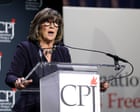
Christiane Amanpour Voices Concerns Over Potential Ellison-Led Media Merger Impact on CNN
CNN's chief international anchor, Christiane Amanpour, has voiced significant concerns regarding the potential merger of Warner Bros. Discovery (CNN's parent company) with Paramount Skydance, led by David Ellison. Speaking at the "Truth Tellers" summit, Amanpour highlighted her apprehension as a journalist, drawing parallels to the changes she's observed at CBS News since its acquisition by Skydance. She specifically noted reports of shifts within CBS, including its flagship program "60 Minutes." Amanpour's comments underscore a broader anxiety within the media industry about maintaining editorial independence and journalistic integrity amidst major corporate consolidations and potential "ideological realignments" under new ownership.
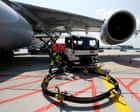
EU Mandates Passenger Compensation for Fuel-Related Flight Cancellations
The European Union has confirmed that airlines must compensate passengers for flight cancellations caused by fuel shortages or high prices. EU Transport Commissioner Apostolos Tzitzikostas stated that these conditions do not meet the 'extraordinary circumstances' criteria that would exempt airlines from their compensation obligations. This ruling provides crucial protection for travelers ahead of the busy summer season, reinforcing passenger rights and holding air carriers accountable for operational challenges related to fuel. Airlines are now expected to manage fuel procurement diligently to avoid cancellations and subsequent compensation payouts.
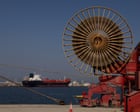
Global Shipping Navigates Middle East Tensions: Maersk Maintains Outlook Amidst Rising Costs
Global shipping giant Maersk has upheld its profit guidance for the year, despite facing significant increases in fuel costs and persistent disruptions in the Strait of Hormuz due to Middle East conflicts. The company, a key player in container logistics, emphasized strong demand for shipping services but acknowledged the rising operational expenses. Maersk attributes its resilience to effective cost-control measures and strategic commercial adjustments. However, the firm also warned that sustained high costs could trigger inflation and potentially dampen demand in the latter half of the year, highlighting the delicate balance between geopolitical risks and economic stability in the global supply chain.