EU Mandates Passenger Compensation for Fuel-Related Flight Cancellations
EU confirms airlines must compensate passengers for flight cancellations due to fuel crises, as these are not 'extraordinary circumstances.' Learn your passenger rights.
Travelers facing flight disruptions this summer due to soaring jet fuel costs or supply shortages can breathe a sigh of relief. The European Union has clarified that airlines remain obligated to compensate passengers for cancellations stemming from such issues, as these circumstances do not qualify as 'extraordinary' under existing EU regulations.
Apostolos Tzitzikostas, the EU Transport Commissioner, recently affirmed this stance in an interview with the Financial Times. He emphasized that fluctuations in jet fuel prices or availability do not exempt air carriers from their responsibilities under European passenger rights laws. This directive ensures that airlines cannot use fuel-related challenges as a loophole to avoid paying out compensation to affected travelers.
The Commissioner's statement sends a clear message to the aviation industry: operational challenges, even those as significant as a fuel crisis, are largely considered part of an airline's normal business risk. Consequently, the financial burden of flight cancellations, including mandated compensation, falls squarely on the airlines rather than the passengers.
This clarification is particularly pertinent as the summer travel season approaches, a period often fraught with potential disruptions. Airlines are now under increased pressure to manage their fuel procurement and operational planning meticulously to avoid cancellations, or face significant financial penalties in the form of passenger compensation. For consumers, this reinforces their rights and provides a layer of protection against unforeseen travel interruptions.
Source Information
Airlines still have to pay compensation if flights cancelled due to fuel crisis, EU says
90.63%
You Might Also Like
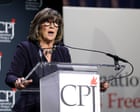
Christiane Amanpour Voices Concerns Over Potential Ellison-Led Media Merger Impact on CNN
CNN's chief international anchor, Christiane Amanpour, has voiced significant concerns regarding the potential merger of Warner Bros. Discovery (CNN's parent company) with Paramount Skydance, led by David Ellison. Speaking at the "Truth Tellers" summit, Amanpour highlighted her apprehension as a journalist, drawing parallels to the changes she's observed at CBS News since its acquisition by Skydance. She specifically noted reports of shifts within CBS, including its flagship program "60 Minutes." Amanpour's comments underscore a broader anxiety within the media industry about maintaining editorial independence and journalistic integrity amidst major corporate consolidations and potential "ideological realignments" under new ownership.

Global Shipping Navigates Geopolitical Storms: Maersk Maintains Outlook Amidst Rising Costs and Supply Chain Challenges
Maersk, the global shipping giant, has upheld its profit forecast for the year despite significant challenges, including soaring fuel costs and the near-total standstill of traffic through the Strait of Hormuz due to Middle East conflicts. The company credits its proactive cost mitigation and commercial strategies for navigating these disruptions. However, Maersk warns that these increased operational expenses could trigger broader inflation and subsequent demand destruction in the latter half of the year, potentially softening the market. While container demand remains strong, the situation underscores the fragility of global supply chains. The broader economic context also includes IMF warnings about AI-driven cyber threats to financial stability and fluctuating oil prices influenced by geopolitical developments, creating a complex landscape for international trade and logistics.
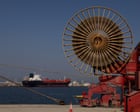
Global Shipping Navigates Middle East Tensions: Maersk Maintains Outlook Amidst Rising Costs
Global shipping giant Maersk has upheld its profit guidance for the year, despite facing significant increases in fuel costs and persistent disruptions in the Strait of Hormuz due to Middle East conflicts. The company, a key player in container logistics, emphasized strong demand for shipping services but acknowledged the rising operational expenses. Maersk attributes its resilience to effective cost-control measures and strategic commercial adjustments. However, the firm also warned that sustained high costs could trigger inflation and potentially dampen demand in the latter half of the year, highlighting the delicate balance between geopolitical risks and economic stability in the global supply chain.