Teenager Noah Jones Challenges Australia's Under-16 Social Media Ban: A Deep Dive into Digital Access and Youth Advocacy
Discover how 15-year-old Noah Jones is still using social media despite Australia's under-16 ban, raising questions about policy effectiveness and youth digital access.
Australia's landmark legislation prohibiting social media access for individuals under 16 years old, enacted in December, has faced an unexpected challenge from within its target demographic. While millions of accounts have reportedly been deactivated since the ban's implementation, one 15-year-old, Noah Jones from Sydney, reveals a starkly different reality: his online experience remains largely unchanged, and he has yet to be removed from any platform. His continued engagement highlights potential loopholes and sparks a broader conversation about the efficacy and enforceability of such digital age restrictions.
Since the controversial 'Under-16s Social Media Ban' took effect four months ago, Noah's personal experience has been described as "pretty much the same." This candid admission from a teenager directly impacted by the policy underscores a significant disconnect between legislative intent and practical outcomes. Noah's ability to easily circumvent the restrictions raises critical questions for policymakers, tech companies, and parents alike.
The initial objective of the ban was to safeguard minors from potential online harms, including cyberbullying, exposure to inappropriate content, and the mental health impacts of excessive screen time. However, if teenagers can readily bypass these measures, the protective umbrella envisioned by the government may prove to be porous. This situation necessitates a closer examination of verification methods employed by social media platforms and the potential for more robust, yet privacy-preserving, age-gating technologies.
Noah Jones's ongoing presence on social media platforms serves as a compelling case study. His story is not just about one teenager's digital access; it's a microcosm of a larger debate surrounding digital rights for minors, parental oversight in the digital age, and the challenges of regulating an ever-evolving online landscape. As Australia navigates this pioneering legislation, the experiences of young people like Noah will be instrumental in shaping future policy adjustments and fostering a more effective approach to youth online safety.
Source Information
Fifteen-year-old Noah hasn’t been kicked off any social media platforms – he’s still fighting Australia’s under-16 ban in court
90.87%
You Might Also Like

AI Platforms Prioritize Nigel Farage in UK Political Queries, Study Reveals
A new study by AI search analytics firm Peec AI reveals that artificial intelligence platforms are more likely to reference Nigel Farage than any other UK political leader when prompted about British politics. Experts suggest this indicates Reform UK's effective strategy for achieving high "LLM visibility" within large language models. This disproportionate digital prominence for Farage raises important questions about how AI influences political narratives and public perception, highlighting the critical need to understand algorithmic biases and the mechanisms of digital influence in the evolving AI-driven information landscape. The findings underscore the growing impact of AI on political discourse.

Divine Resurfaces: Jack Dorsey-Backed Short-Form Video App Champions Human Creativity Against AI Content
Divine, a new short-form video app backed by Twitter co-founder Jack Dorsey, is launching with a core mission to exclusively feature human-made content, directly countering the rise of AI-generated media. Inspired by the pioneering six-second video format of Vine, Divine aims to recapture the authentic creativity that made its predecessor a cultural phenomenon. Vine, launched in 2013, peaked at 100 million monthly active users, spawning viral content and launching influencer careers. Divine's commitment to human originality positions it as a unique player in the digital landscape, appealing to users seeking genuine expression amidst increasing AI saturation. This venture could redefine how we consume and value online content.
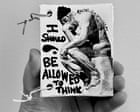
Preserving Authenticity: Zine Culture's Stand Against AI Integration
The self-published zine, a cornerstone of cultural movements from queer activism to riot grrrl, is facing a new challenge: artificial intelligence. Historically celebrated for its handmade, DIY nature, the zine's authenticity is now being debated as some artists experiment with AI tools. This has caused significant concern within the underground publishing community. Zine creators argue that the scrappy, personal essence of their booklets is incompatible with AI, emphasizing the importance of human touch and intentionality in their craft. This resistance underscores a broader effort to preserve the unique, unfiltered voice and physical artistry that defines independent zine culture against the backdrop of evolving digital technologies, ensuring its legacy of genuine, human-centric expression.