AI's Literary Invasion: Publishers Grapple with Detecting Machine-Penned Novels
Publishers struggle to detect AI-written books, exemplified by the 'Shy Girl' novel. Explore the challenges facing the literary world and the urgent need for AI detection.
The publishing industry is facing an unprecedented challenge as artificial intelligence (AI) increasingly blurs the lines between human creativity and algorithmic generation. A recent incident involving the horror novel "Shy Girl" has sent a "cold shiver" through the literary world, highlighting the growing difficulty for publishers to distinguish between authentically human-authored works and those potentially crafted by AI.
"Shy Girl," a horror novel, saw its US release abruptly canceled and its UK distribution halted after suspicions arose regarding its authorship. This development underscores a broader concern: how can publishers maintain the integrity of their catalogs and protect authors in an era where sophisticated AI tools can mimic human writing styles with alarming accuracy?
Literary agents, often the first gatekeepers in the publishing process, are already noticing shifts. Kate Nash, a prominent literary agent, observed an increase in submission letters that, while appearing meticulously crafted, also struck her as unusually formulaic. Initially, she interpreted this as a sign of heightened professionalism among aspiring authors. However, the emerging reality of AI's capabilities suggests a more complex explanation.
The implications for the literary ecosystem are profound. Publishers are now confronted with the urgent need to develop robust detection methods to safeguard against AI-generated content. Without reliable tools, the industry risks being flooded with machine-written texts, potentially devaluing human authorship and eroding trust among readers. The "Shy Girl" case serves as a stark warning, signaling that the era of AI-authored books is not a distant future, but a present reality demanding immediate attention and innovative solutions from across the publishing spectrum.
Source Information
‘Soon publishers won’t stand a chance’: literary world in struggle to detect AI-written books
92.02%
You Might Also Like

AI Platforms Prioritize Nigel Farage in UK Political Queries, Study Reveals
A new study by AI search analytics firm Peec AI reveals that artificial intelligence platforms are more likely to reference Nigel Farage than any other UK political leader when prompted about British politics. Experts suggest this indicates Reform UK's effective strategy for achieving high "LLM visibility" within large language models. This disproportionate digital prominence for Farage raises important questions about how AI influences political narratives and public perception, highlighting the critical need to understand algorithmic biases and the mechanisms of digital influence in the evolving AI-driven information landscape. The findings underscore the growing impact of AI on political discourse.

Divine Resurfaces: Jack Dorsey-Backed Short-Form Video App Champions Human Creativity Against AI Content
Divine, a new short-form video app backed by Twitter co-founder Jack Dorsey, is launching with a core mission to exclusively feature human-made content, directly countering the rise of AI-generated media. Inspired by the pioneering six-second video format of Vine, Divine aims to recapture the authentic creativity that made its predecessor a cultural phenomenon. Vine, launched in 2013, peaked at 100 million monthly active users, spawning viral content and launching influencer careers. Divine's commitment to human originality positions it as a unique player in the digital landscape, appealing to users seeking genuine expression amidst increasing AI saturation. This venture could redefine how we consume and value online content.
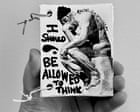
Preserving Authenticity: Zine Culture's Stand Against AI Integration
The self-published zine, a cornerstone of cultural movements from queer activism to riot grrrl, is facing a new challenge: artificial intelligence. Historically celebrated for its handmade, DIY nature, the zine's authenticity is now being debated as some artists experiment with AI tools. This has caused significant concern within the underground publishing community. Zine creators argue that the scrappy, personal essence of their booklets is incompatible with AI, emphasizing the importance of human touch and intentionality in their craft. This resistance underscores a broader effort to preserve the unique, unfiltered voice and physical artistry that defines independent zine culture against the backdrop of evolving digital technologies, ensuring its legacy of genuine, human-centric expression.